

The Hidden Tax on Innovation: Why SEP Transparency Matters for Europe’s Digital Future
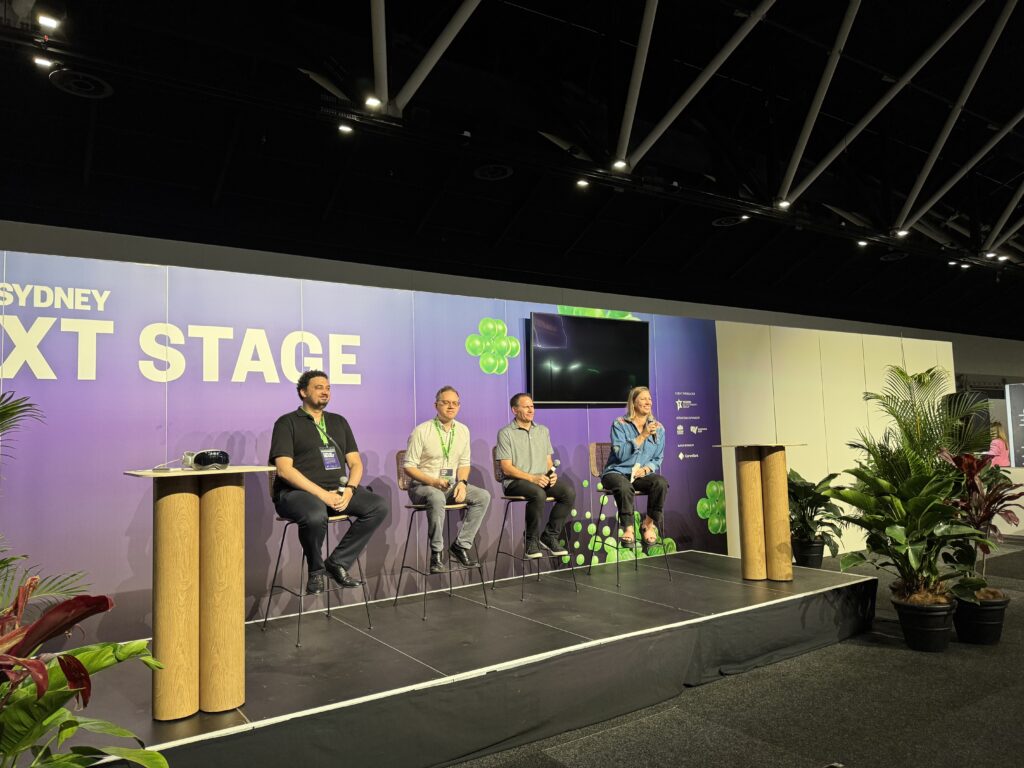
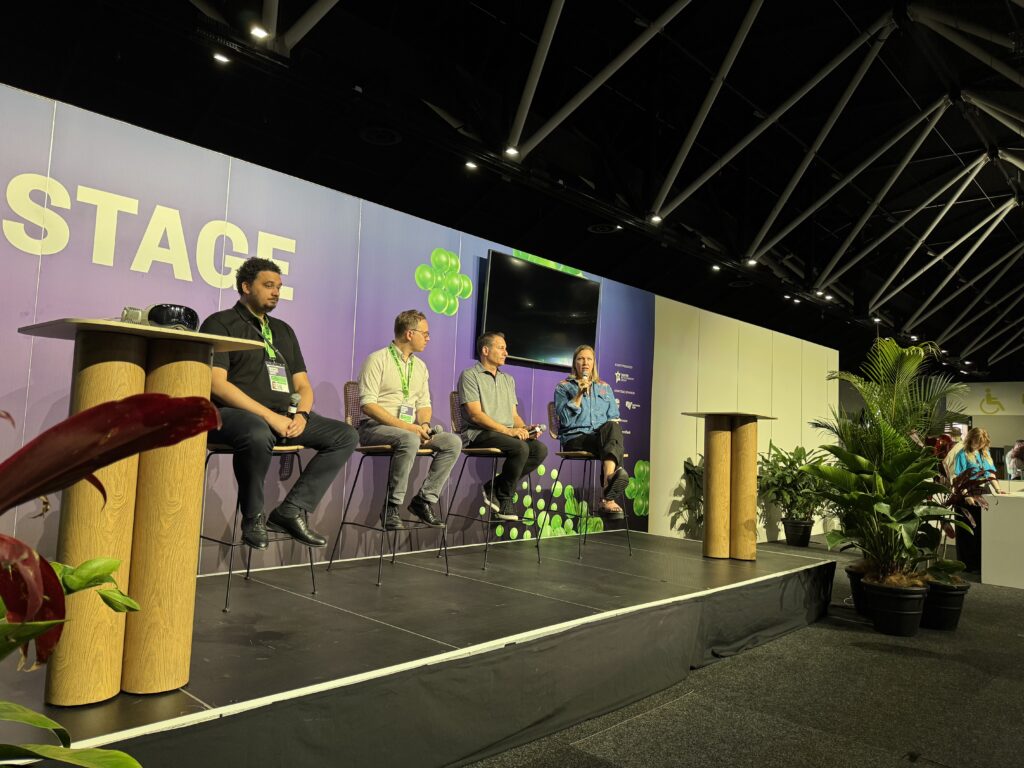
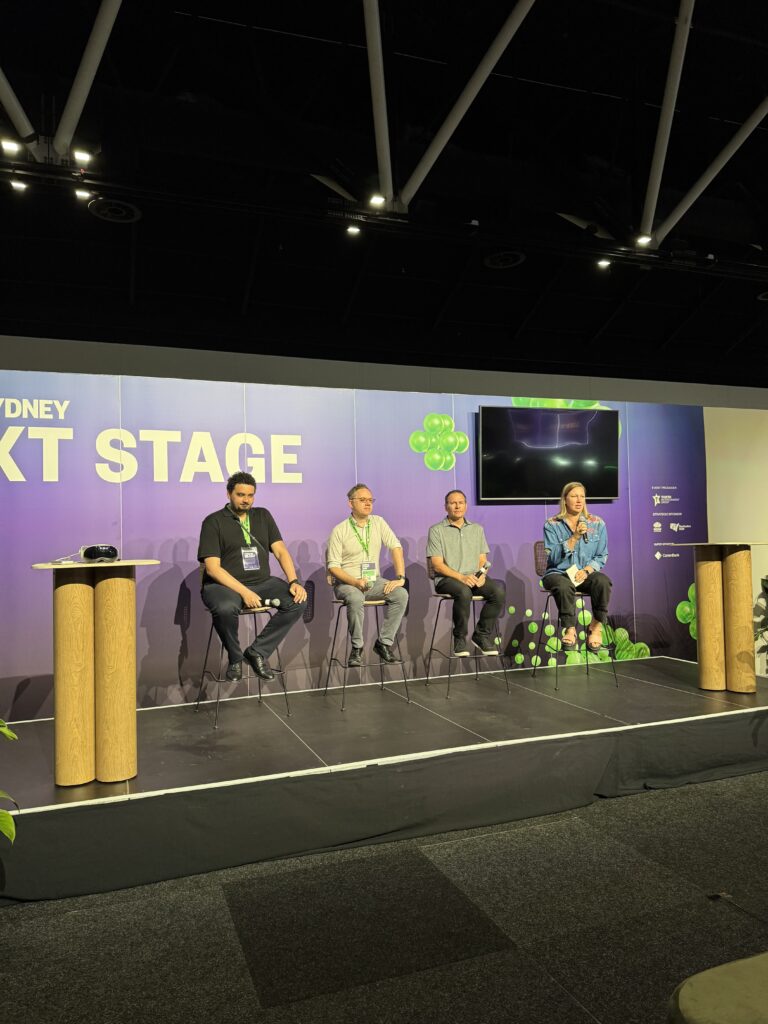
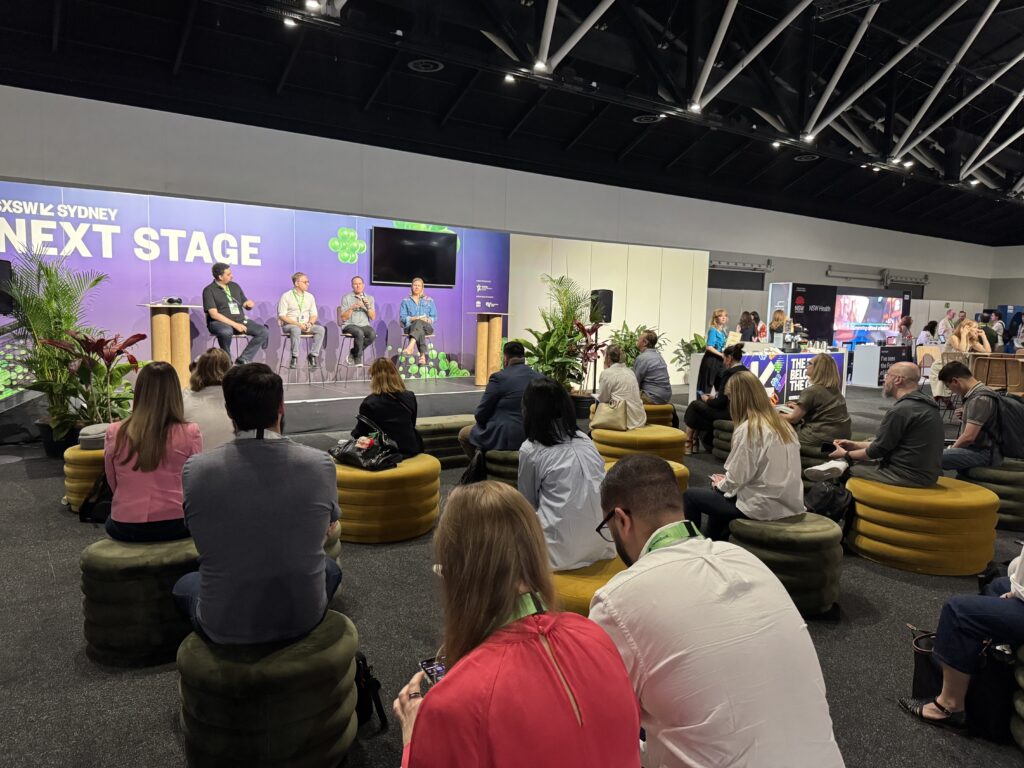
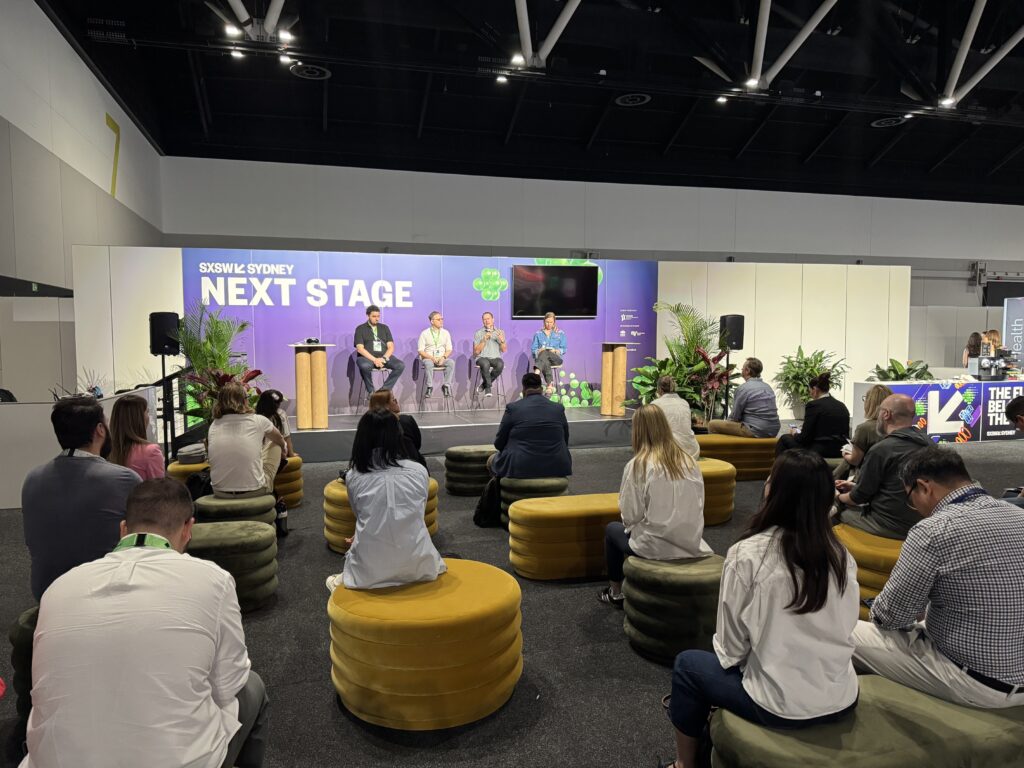
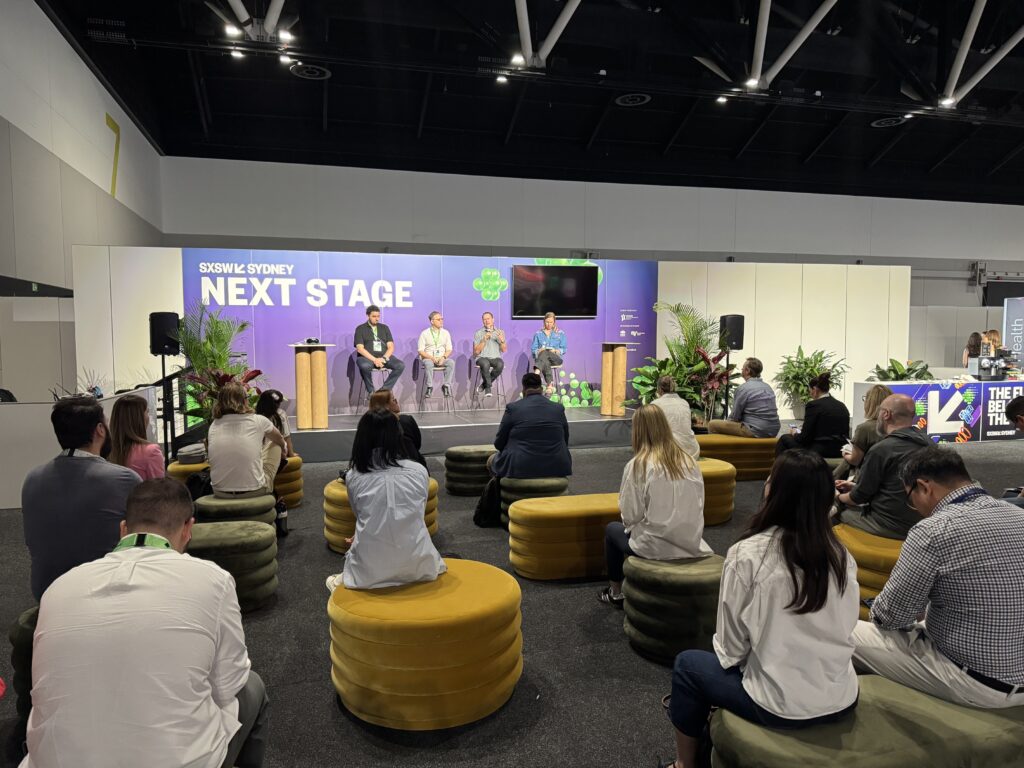
Reflections from the SXSW Sydney NEXT Stage Panel on “Startups, Standards, and Who Really Owns the Future of IoT”
When we talk about standards in technology, we imagine a level playing field where any innovator can build the next breakthrough product. That’s the promise of technical standards: universal protocols that enable interconnection and drive the €4.1-9.3 trillion IoT economy.
But there’s a catch most startups discover too late.
The “Take It or Leave It” Reality
At our SXSW Sydney panel this week, our founder shared a reality that every IoT startup faces but few discuss publicly: when companies our size receive SEP licensing offers, they arrive without context, without transparency, and with essentially zero negotiating power. It’s binary take the terms or face litigation.
This isn’t how standards are supposed to work.
Standards exist to lower barriers to entry, not create tollbooths controlled by patent holders who can charge whatever the traffic will bear. When SEP holders make their voluntary FRAND (Fair, Reasonable, and Non-Discriminatory) commitments to standards bodies, they’re promising to license essential patents on fair terms to everyone from Apple to a two-person startup in Sydney.
Yet for small and medium enterprises (SMEs) like vaic.at, the current system is anything but fair or transparent.
Three Broken Promises in the Current System
1. Information Asymmetry as a Weapon When a SEP holder approaches an SME, they hold all the cards. They know their entire portfolio, their licensing history with other companies, and what rates others have accepted. We know none of this. We can’t even verify if the patents they claim are essential actually are essential to the standard. This asymmetry isn’t an oversight it’s a feature that benefits incumbent players.
2. The Litigation Threat Premium For a company like vaic.at, a single patent lawsuit can be existential. SEP holders know this. The cost of defending against even a weak claim can exceed our annual R&D budget. So when they present licensing terms that seem excessive, the rational business decision is often to pay up rather than fight even when the demands may exceed FRAND commitments.
3. No Meaningful Recourse Unlike large corporations with dedicated IP legal teams, SMEs can’t afford to challenge unfair licensing terms. The European Commission’s own analysis showed that excessive litigation costs disproportionately impact small innovators. We’re essentially locked out of the mechanisms meant to ensure fair licensing.
Why Europe Must Act Now
The European Parliament understood this crisis when they voted 454 to 83 to advance the SEP Regulation a framework that would finally bring transparency and fairness to SEP licensing. Key provisions include:
- Standardized disclosures so licensees know what they’re actually licensing
- Aggregate royalty benchmarks to prevent royalty stacking
- FRAND guidance services to help SMEs understand if offers are reasonable
- Clear limits on injunctions to prevent them being weaponized against small companies
Yet in February 2025, the European Council announced its intent to withdraw this regulation, leaving Europe’s most innovative businesses with the status quo: an opaque, unfair, and unpredictable licensing landscape.
The Real Cost of Inaction
When SMEs can’t predict or budget for SEP licensing costs, three things happen:
- Innovation stalls — Companies avoid standards-based products altogether
- Investment flees — VCs won’t fund companies facing unpredictable IP risks
- Market concentration accelerates — Only large companies can afford to play
This isn’t theoretical. At vaic.at, we’re building services that could revolutionize how people connect and live in Europe. But when licensing costs are unpredictable and negotiations are “take it or leave it,” we have to make hard choices about which markets to enter and which standards to support.
A Call to Action for European Policymakers
If Europe is serious about its Digital Decade goals and fostering a competitive digital economy, it cannot abandon SMEs to navigate the SEP maze alone. We need:
Immediate action: Don’t withdraw the SEP Regulation. SMEs are counting on these reforms to level the playing field.
Real transparency: Create centralized databases of declared SEPs with independent essentiality assessments. Sunshine is the best disinfectant for abusive licensing practices.
Practical support: Establish FRAND guidance services that give SMEs somewhere to turn when faced with licensing demands. Not every startup can afford Kirkland & Ellis to review their licensing offers.
Enforcement with teeth: Make it clear that FRAND commitments are real commitments, not suggestions. SEP holders who abuse their market power should face consequences.
The Choice Before Us
Technical standards should be highways for innovation, not tollbooths for rent-seeking. The companies presenting at SXSW Sydney this week from BadVR’s immersive data visualization to vaic.at’s services like EUorigin and mEUvy represent the future of the digital economy. But that future depends on whether policymakers have the courage to stand up for small innovators against entrenched interests.
The European Commission has extensively documented the problems in the current SEP system. The Parliament has voted overwhelmingly for reform. The evidence is clear, the solution is drafted, and the need is urgent.
The only question remaining is whether Europe will choose to lead on innovation policy or continue protecting the status quo that benefits incumbent patent holders at the expense of the next generation of digital champions.
For small businesses like ours and for the thousands of SMEs building the IoT future the message to Brussels is simple: We need transparency. We need fairness. And we need it now.

The future of standards-based innovation isn’t just about who owns the patents. It’s about whether the system allows new players to compete, innovate, and scale. That’s the future worth fighting for.
Mitchel Volkering is the founder of vaic.at and a member of ACT | The App Association. He spoke at SXSW Sydney’s NEXT Stage panel on “Startups, Standards, and Who Really Owns the Future of IoT” on October 15, 2025.
Comments
There are no comments yet.